







The Functional Excellence of Zutano Baby Booties: Why They Stay On the Wiggliest Toes
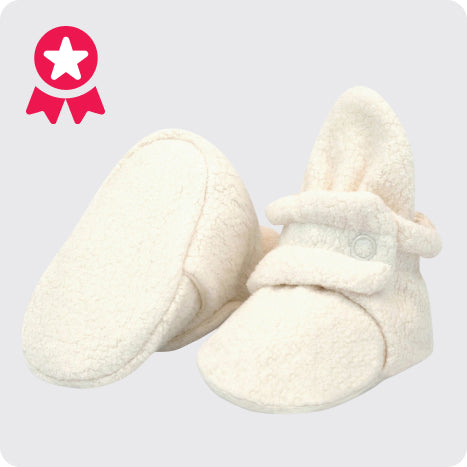
Every parent is familiar with the "missing sock" mystery. You meticulously dress your infant, only to find a bare foot minutes later—the sock likely discarded in a car seat or lost on a grocery store floor. This isn't merely a laundry nuisance; it is a design failure of traditional footwear. Standard baby socks and elasticized newborn shoes are often ill-equipped to handle the biomechanics of an infant’s kick. Zutano reimagined this category by prioritizing functional fit, resulting in a bootie that stays secure even when a baby wiggles.
The Mechanical Advantage of the Two-Snap System
The primary reason most infant shoes fail is their reliance on a "one-size-fits-all" elastic tension. Elastic either loses its memory over time, becoming loose, or is engineered too tightly, leaving indentations on delicate skin. Zutano’s signature two-snap design serves as a customizable anchor. By providing two distinct points of closure, the bootie creates a secure "L-shape" around the ankle. This allows parents to adjust the opening diameter as the baby’s ankle thins or thickens during growth spurts.
Expert Insight: Developmental Biomechanics
Pediatric experts emphasize that during the first year of life, a baby’s feet are primarily cartilage. Forcing them into rigid-soled shoes can impede the natural ossification of bones. The Zutano design features a soft-sole construction that allows the foot to "feel" the ground and flex naturally. This tactile feedback is essential for neurological development and the eventual transition to walking.
Material Integrity: Organic Cotton and Cozie Fleece
A stay-on bootie is only as good as the fabric it is made from. Structural integrity is required to prevent the snaps from pulling through the material after repeated use. Zutano utilizes heavy-interlock organic cotton and high-density fleece to provide the necessary tension. The relationship between fabric choice and seasonal utility is a core component of the Zutano ecosystem. While Organic Cotton Booties offer the breathability required for temperature regulation in warmer climates, the Cozie Fleece line provides thermal insulation without the bulk. This material choice is not just about aesthetics; it’s about skin health. Infants have highly permeable skin; by using high-quality, non-irritating fibers, Zutano reduces the risk of contact dermatitis often caused by the synthetic blends found in "fast-fashion" infant socks.
Beyond Aesthetics: Functional Integration with Infant Wardrobes
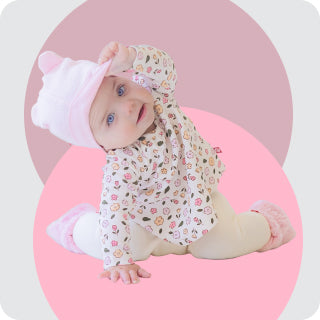
While many brands treat footwear as an afterthought or a "cute accessory," Zutano views the bootie as a cornerstone of the infant wardrobe. This is why the footwear is designed to integrate seamlessly with other functional layers. In colder environments, the booties are designed to fit over standard cotton socks if extra warmth is needed, though the fleece lining is typically sufficient. The color palettes used in the footwear line are mirrored in Zutano’s hats and mittens, ensuring that a child can be fully protected from the elements—whether UV rays or cold—in a cohesive, functional shell.
Real-World Application: The Longevity of Quality
In the world of baby gear, durability is the ultimate test of value. Zutano booties are frequently cited by parents as "hand-me-down" quality. Because the snaps are reinforced and the fabrics are pre-shrunk, they withstand the rigorous sanitization and high-heat washing that baby clothes inevitably undergo. When compared to competitors, the Zutano silhouette remains consistent after dozens of laundry cycles, preventing the "stretching out" that causes other booties to lose their stay-on grip. The transition from a standard sock to a Zutano bootie is often a lightbulb moment for new parents. It moves the focus from retrieving lost clothing to enjoying the moment with your child.


Leave a comment