



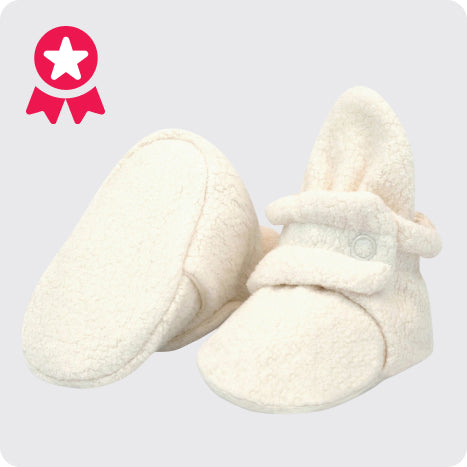



As we head into January 2026, many parents are noticing that the booties that fit perfectly during the holidays are suddenly feeling a bit snug. A baby’s foot is primarily composed of soft cartilage, which means growth spurts can happen in rapid, unpredictable bursts rather than a steady climb. This month, we’re helping you perform a "New Year's Footwear Audit" to ensure your little one’s development isn't being restricted by outgrown shoes. Understanding the signs of a tight fit is essential for maintaining natural toe splay and healthy circulation during these active winter months.
It is a common clinical observation that infants often experience growth spurts immediately following winter milestones or illnesses as the body "catches up". On average, infants go through four shoe sizes in their first year alone, making it statistically likely that a transition is needed if your child has been in the same size since the fall. Furthermore, the addition of thicker winter socks for January's colder temperatures often necessitates moving up a full Zutano size to avoid compression on the delicate soft tissue of the foot.
The best time to measure your baby's feet is in the afternoon, when they are at their largest due to natural daily swelling. While it is tempting to "buy big" to save time, footwear that is significantly oversized can reduce proprioception—the brain's ability to sense the ground—thereby inadvertently delaying crucial walking milestones. Performing a monthly check ensures that your child has just enough room to grow without sacrificing the stability they need to explore.
The 4-Point "New Year" Fit Audit
- The Thumb Test: Ensure there is roughly a thumb's width (approx. 1cm) between the longest toe and the tip of the bootie while the foot is flat.
- The Pinky Heel Check: You should be able to slip your pinky finger between the baby's heel and the back of the bootie with slight resistance.
- The Red Mark Inspection: Check for any red indentations or pressure marks on the top of the foot or around the heel after removal.
- The Behavior Watch: Look for signs of pulling at the footwear or increased tripping, which often signal that the foot is cramped.
Key Takeaways for Busy Parents
- Frequency: Measure your baby's feet every 4 weeks during the first year to stay ahead of cartilage-to-bone development.
- Afternoon Measuring: Always measure feet in the afternoon when they are at their largest due to natural daily swelling.
- Avoid "Oversizing": While tempting to "buy big" for the year, shoes and booties that are too large reduce proprioception (the brain's ability to sense the ground), which can delay walking milestones.


Leave a comment